

Logo - 3DReid
Search for something in the 3DReid world
Searching...

Energy Security and Powering Through

  • 31st Mar 2026
  • |  Thought Piece
  • |  Charlie Whitaker
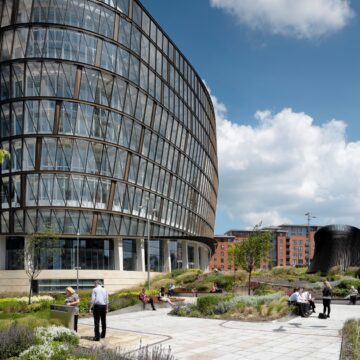
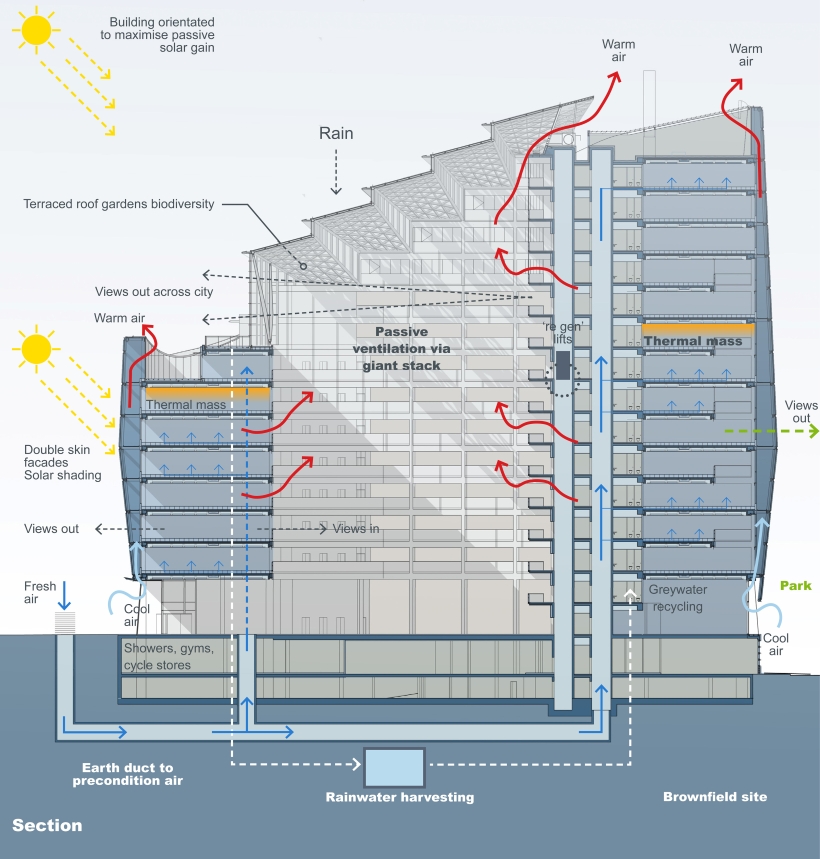
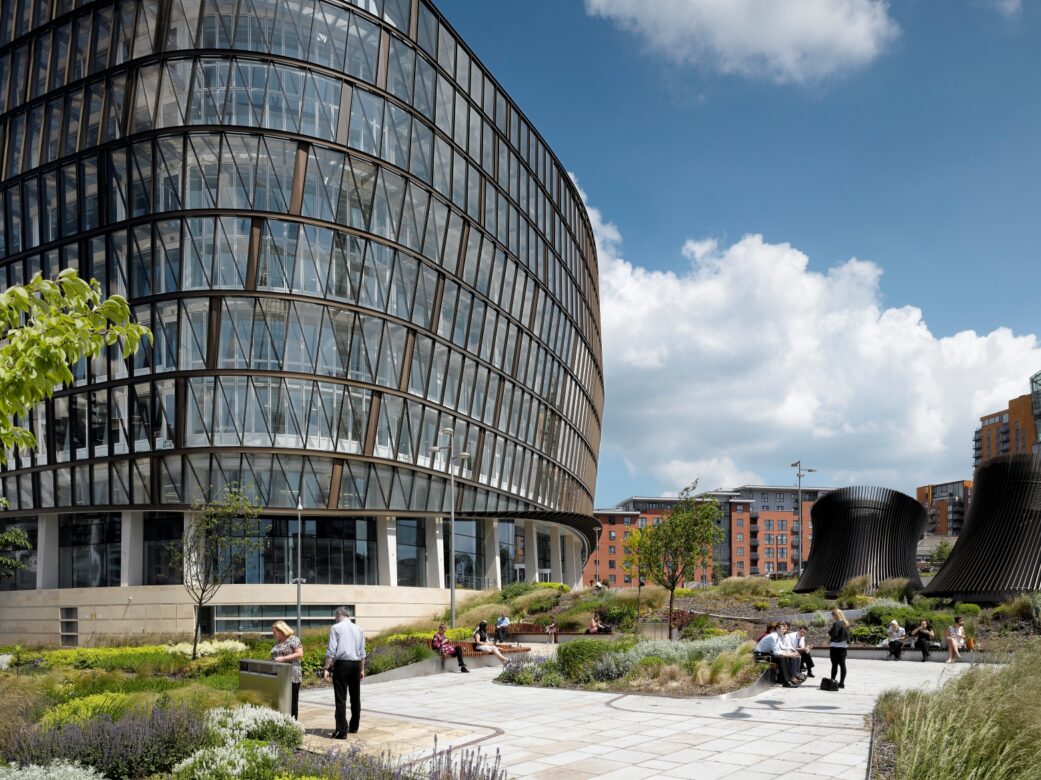
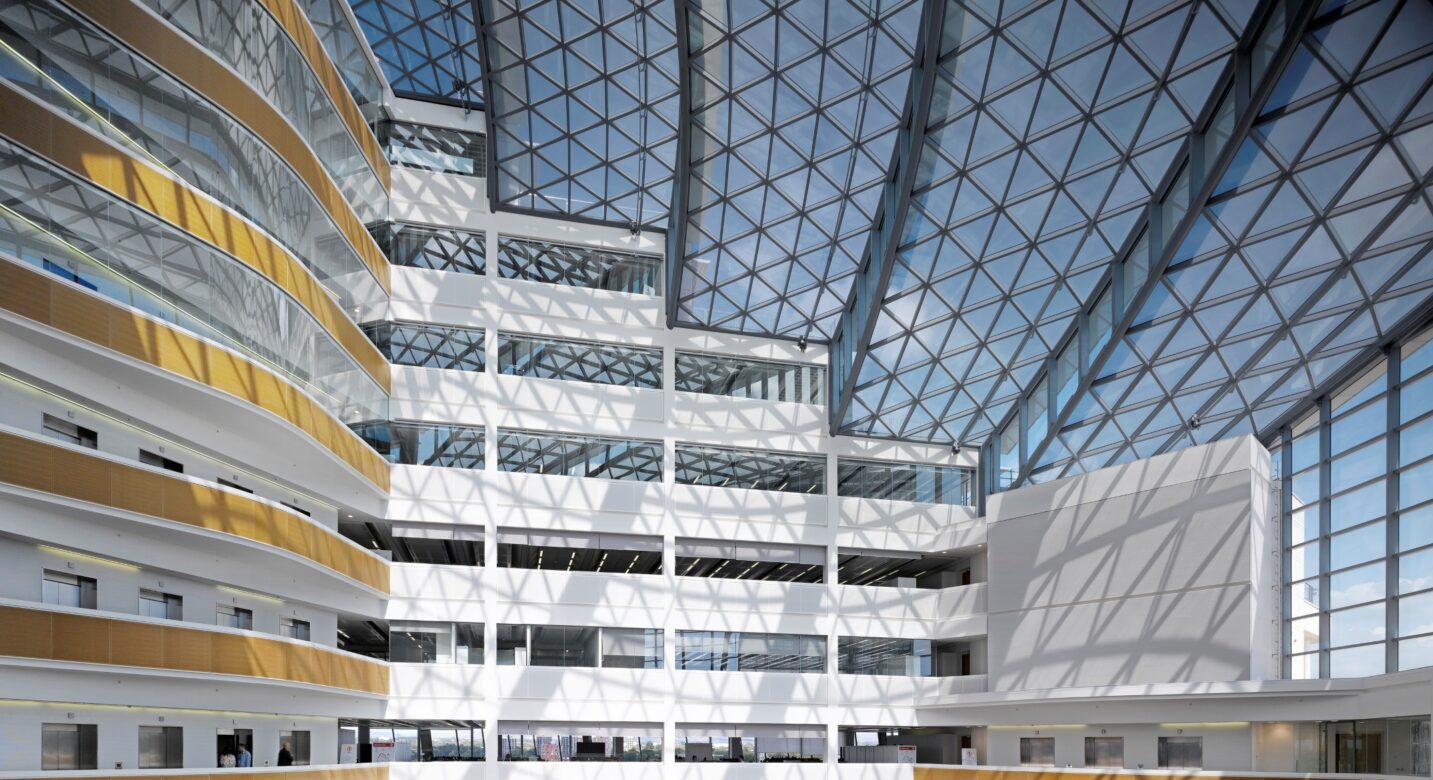
Outstanding BREEAM awarded One Angel Square

How resilient is our energy supply?


The blockade of the Strait of Hormuz shows that carbon fuel dependencies are fragile. Over twenty percent of the world’s petrochemicals normally pass through this single point of failure, along with petrochemical-derived commodities such as fertiliser. This vulnerability has quickly developed into a deeply concerning crisis, in which the well-being of millions of people globally is at risk.
But many countries have already made good choices on energy, and other countries can follow. The UK is one of the countries that has made good choices. So, while the news is bad, we very much believe that it shouldn’t make us fatalistic. Instead, we should look at what is working and build on it.


Britain’s power diversity.


The way we generate electricity in the UK is, in fact, helpfully diverse, with a mix of both renewables and nuclear, and a falling share of gas (now below thirty percent). Some electricity is imported from France, but most of that is nuclear-generated.

The picture is also very dynamic. We tend to think of UK renewables as being about wind, but the largest yet UK solar farm at Cleve Hill, on the north Kent coast, has a capacity of 373 MW, making it power station scale. A further 3.38 GW of large scale solar capacity is in the near term pipeline: this is about the same capacity as the new EPR (European Pressurised Water Reactor), which is slowly approaching completion in Somerset at Hinkley Point C. And solar farms are (a) cheaper and (b) much quicker to conceptualise, approve, and build than new nuclear plants.
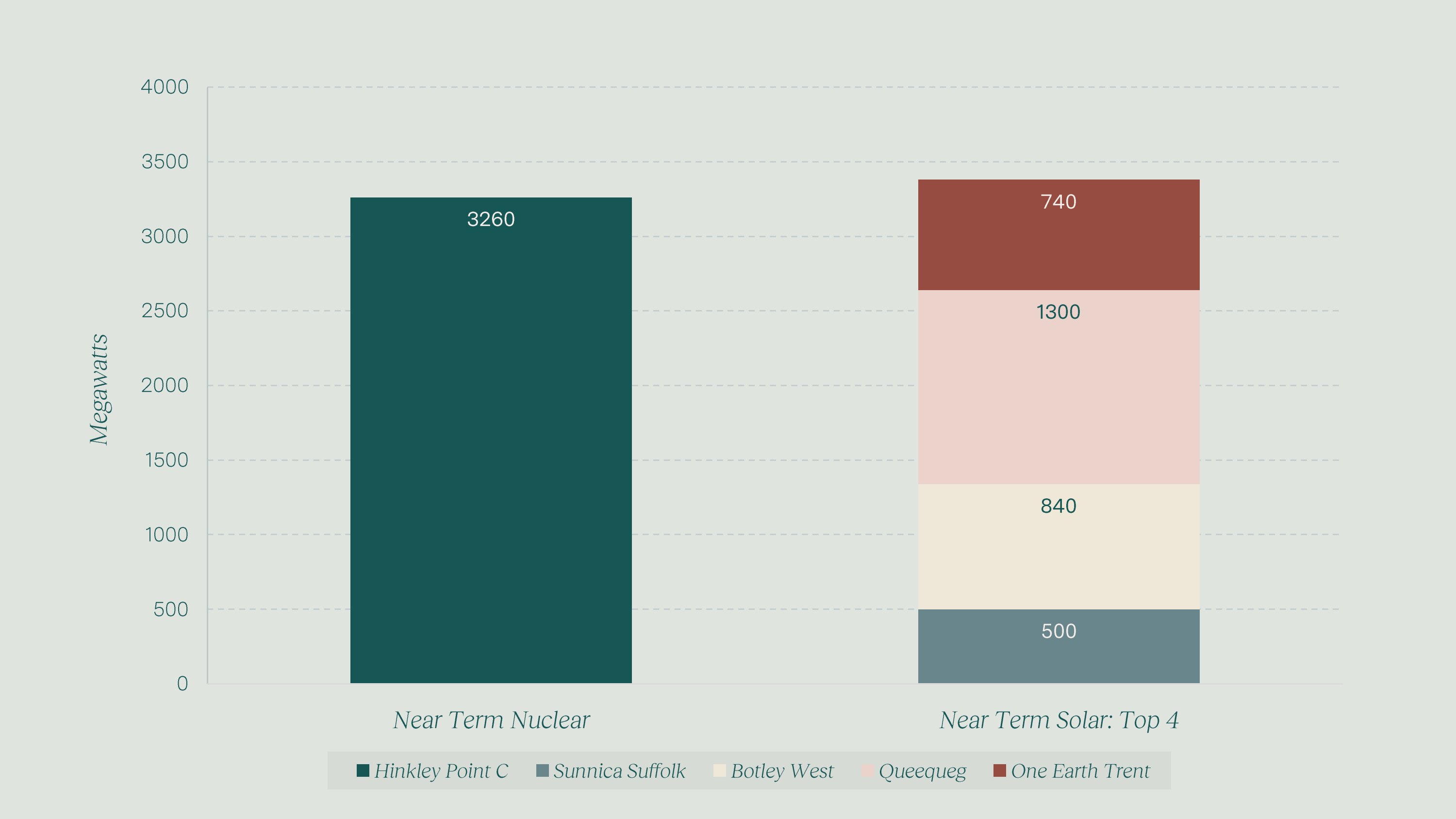
Bar chart showing megawatts comparison of Nuclear energy vs Solar energy


Near term pipeline capacity: nuclear v. solar


On nuclear reactors, the UK has a pipeline of those as well: the same EPR design as Hinkley Point C is being used for Sizewell C in Suffolk, now under early construction, and a new UK domestic design—the Rolls-Royce NMR—is planned for Wylfa in north Wales. The promise of the NMR is that it’s ninety percent factory-built, which could streamline delivery. Possibly that benefit won’t materialise, but the diversity in the UK nuclear strategy alone should contribute to resilience.

The ultimate switch-off date for gas power stations is something still being weighed by the government, but it seems likely that gas will move from being a part of the everyday power generation mix to being back-up only, on a timescale of around a decade. As an illustration of progress, a few days ago—25 March—only twelve percent of the UK’s electricity was generated from carbon fuel (all of it gas).
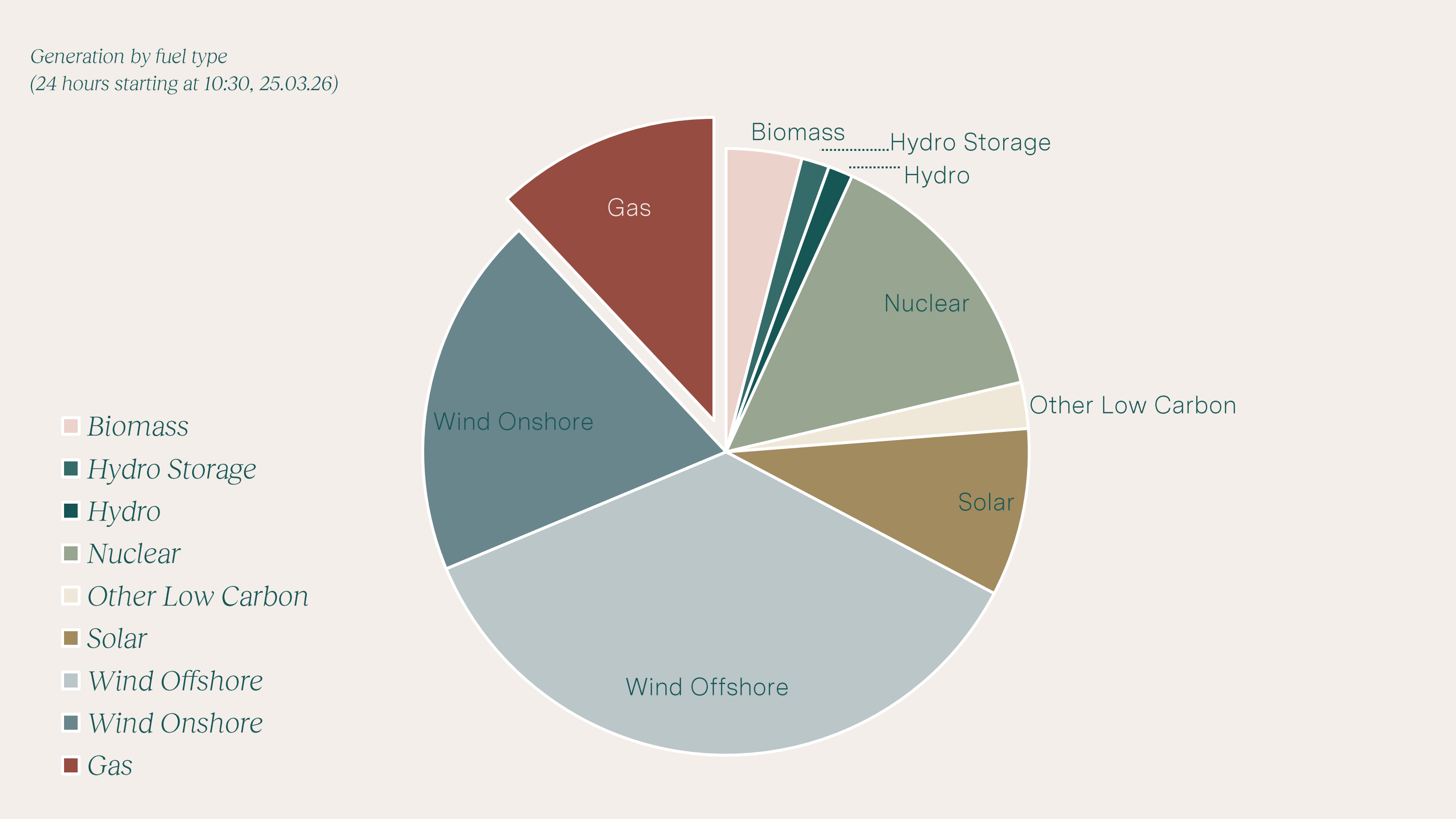
Pie chart showing the UK's electricity usage on 25 March


Snapshot of UK electrical generation for the 25th March 2026


From the big to the small


There’s more to the UK energy picture than plans for power stations. There are some key details too. In the UK, home heating remains a major direct user of gas. Although the Gulf blockade doesn’t automatically threaten our physical supply—thanks to domestic production and pipeline imports from Norway—gas is priced on a global stage. Much home heating, then, remains tethered to international shocks. Similarly, even though the UK’s Zero Emission Vehicle (ZEV) mandate aims for 80% of new cars to be zero emission by 2030, many drivers today still rely on carbon fuels and are likely facing a volatile year.
 
“Whenever we opt for electric solutions, we reduce the size of the energy security task. Carbon fuel solutions waste a lot of energy as heat, meaning that electrification isn’t a matter of megajoule for megajoule replacement”
Charlie Whitaker
Sustainability Lead

The Future Homes Standard (FHS), now applying from 2027, removes gas from housebuilding in favour of heat pumps (supplemented by PVs). This seems to be exactly the right move. The win from free heat that heat pumps deliver is hard to overstate. For example, it’s more efficient to replace a gas home heating system with a heat pump, even if the electricity for that heat pump is, for argument’s sake, one hundred percent gas-generated; the generation and transmission losses together are outweighed by the heat pump’s free heat, and less gas is used overall.

On PVs: plug-in solar is a surprise new addition to the UK’s decarbonisation plans. This move legalises DIY PV connections to the grid (above and beyond the roof PVs required by the FHS). This is something consumers can actually do for themselves (and feel good about). EU experience suggests that it will be popular. German householders have added an estimated 0.9 GW of capacity—roughly equivalent to the output of the original Wylfa Magnox reactors—all through micro installations of less than 800 W, costing less than a few hundred pounds, with no transmission losses.

 
One Angel Square for The Cooperative Group set a record for the highest BREEAM rating for workplace. Our hotel design for York Central and  the redevelopment of Chester House residential project, Trafford will both achieve a ‘Outstanding’ BREEAM rating.
 

What 3DReid is doing


If national strategy is about diversifying and decarbonising the grid, our role as architects is to ensure that buildings themselves are as resilient and well protected as they can be from global volatility.

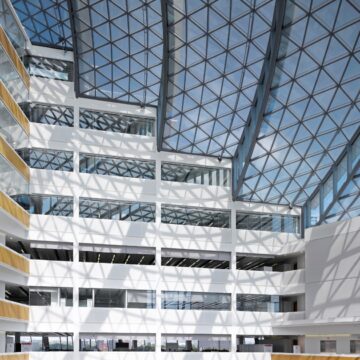
Our design for One Angel Square for The Co-operative Group achieved the highest ever BREEAM rating awarded to an office building at the time of its completion.


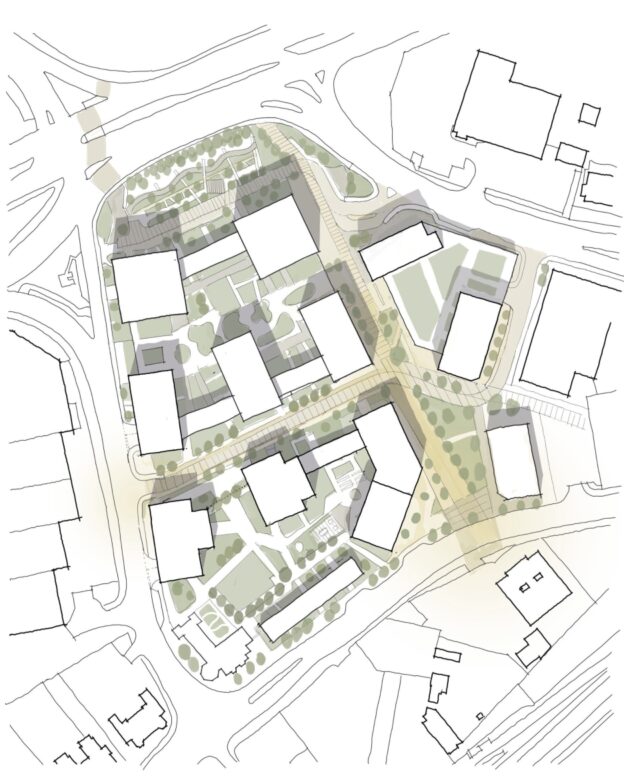
Our residential-led mixed use development in Trafford defines a new urban district at a range of scales, from townhouse to high-rise tower (35 storeys) where all of the building forms are compact for both construction efficiency and energy performance. Through our collaborative workshop process, we’ve achieved a modelled EUI of 41 kWh/m2.yr (for residential use). The scheme will achieve a BREEAM ‘Outstanding’ rating.

Our hotel design for York Central Partnership achieves the UK Net Zero Carbon Building Standard in all areas except for the scale of its PV installation, and will also achieve a BREEAM ‘Outstanding’ rating, and our new office design for Aviva in Edinburgh’s Haymarket will achieve a NABERS five star rating for energy.

We’re very much mindful of the contribution that buildings can make, not just to decarbonisation, but to resilience. We plan to continue to advance low and net zero carbon development to create long-term security for occupants and investors alike.

You can read more about our sustainability approach here, and if you’d like to speak to Charlie about anything mentioned in the article, you can do so here.


3DReid - Scroll to top