Logo - 3DReid
Search for something in the 3DReid world
Searching...

Continuity & Context

  • 18th Feb 2026
  • |  Insights
  • |  Darren Park and Euan McLaren
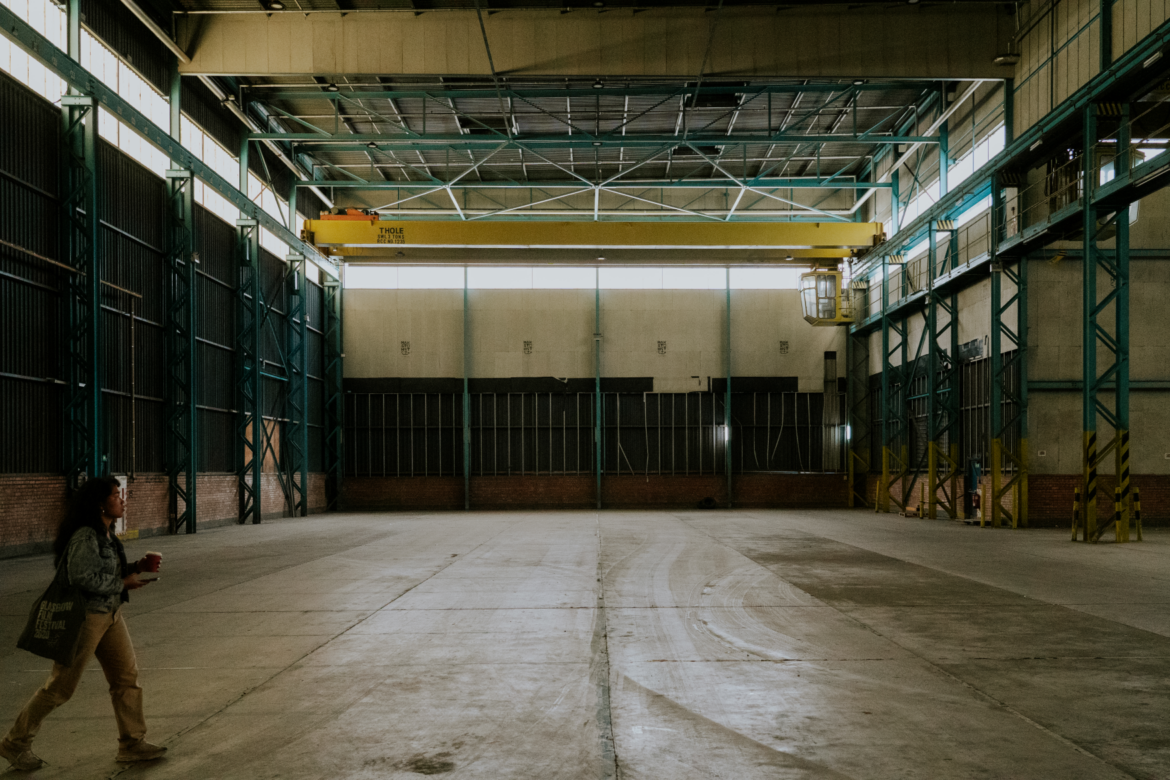
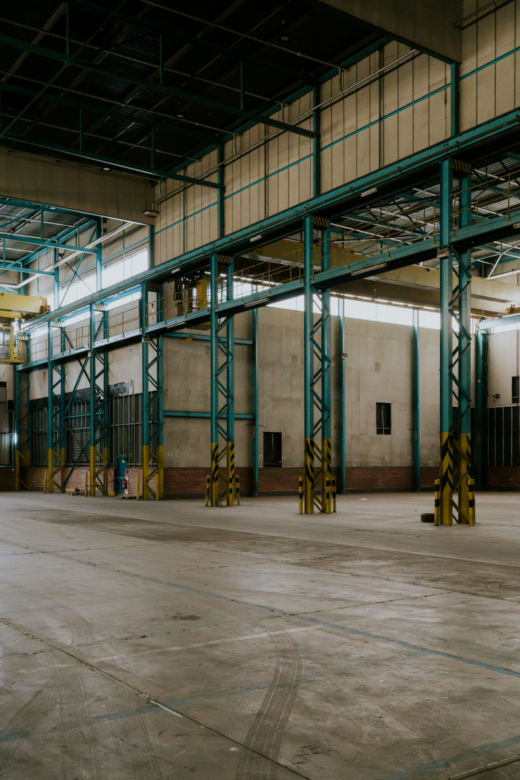
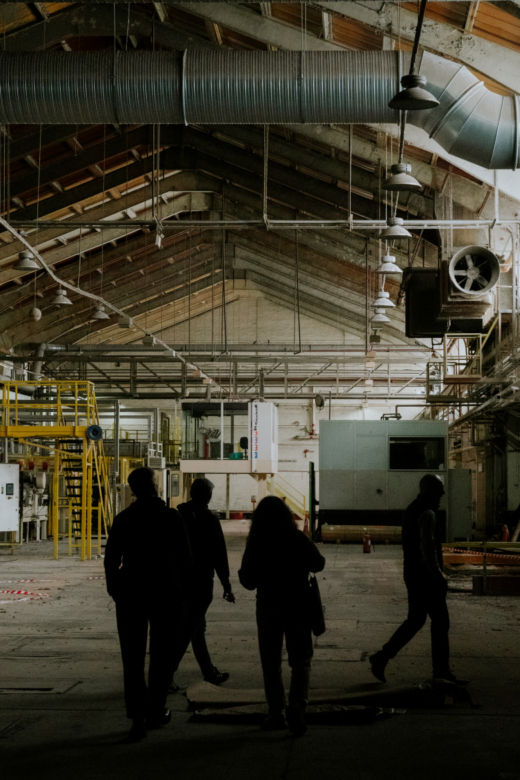
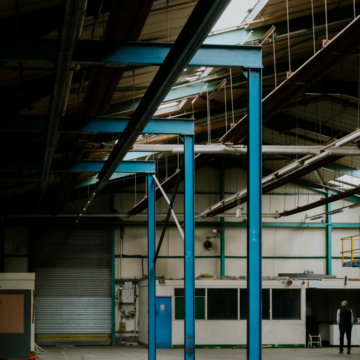
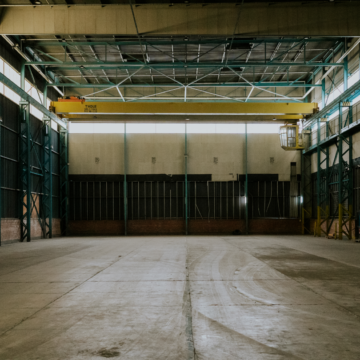
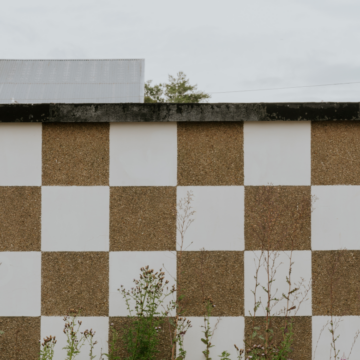
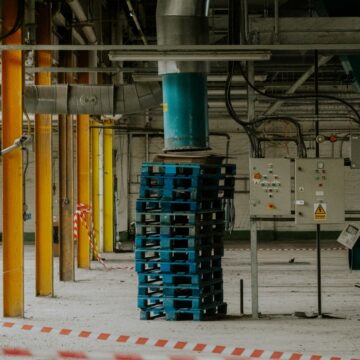
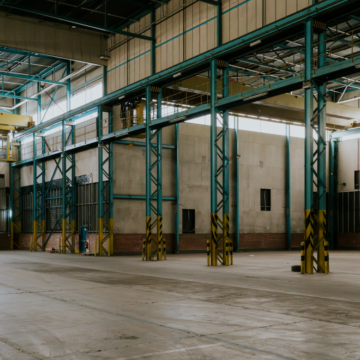
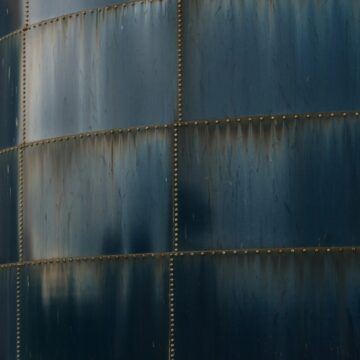
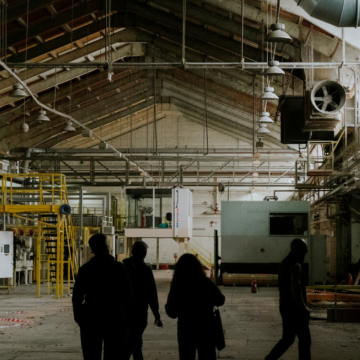
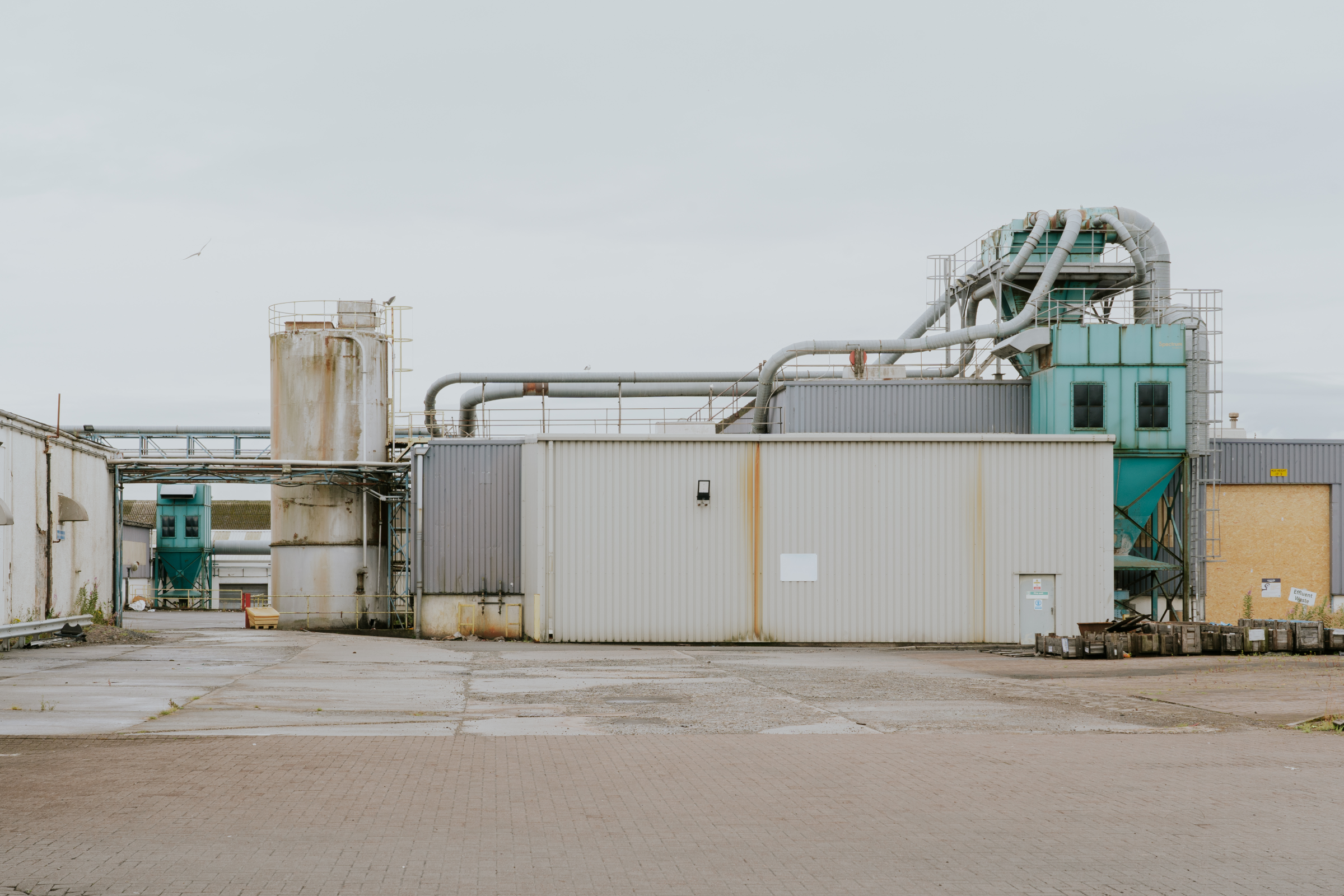
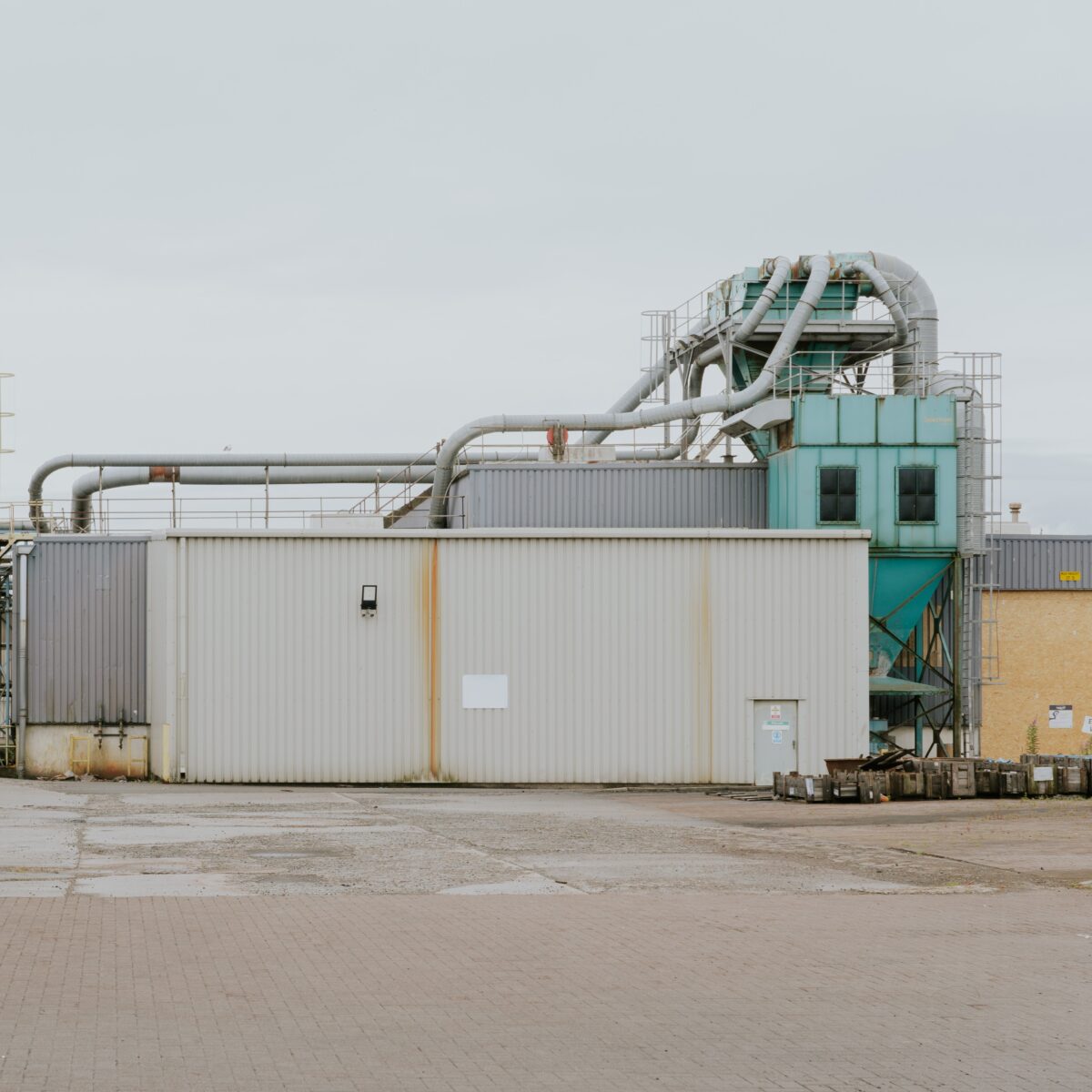
Edinburgh Gateway existing site photography by Liam Carlton

This article continues our conversation with Euan McLaren and Darren ParkThe last of three, it highlights common themes and approaches across a number of key masterplanning projects.

“We deliberately avoid loud architecture where every building competes for attention,” Euan explains. “Instead, we focus on urban strategies that allow the public spaces to be the real hero in the development. The spaces between the buildings are equally, if not more important, than the buildings themselves.”   

This philosophy is about creating a sense of place that feels collective rather than individualistic.  “I really like the sentiment from architect Herman Czech that architecture is background.  Life is foreground” adds Darren. 

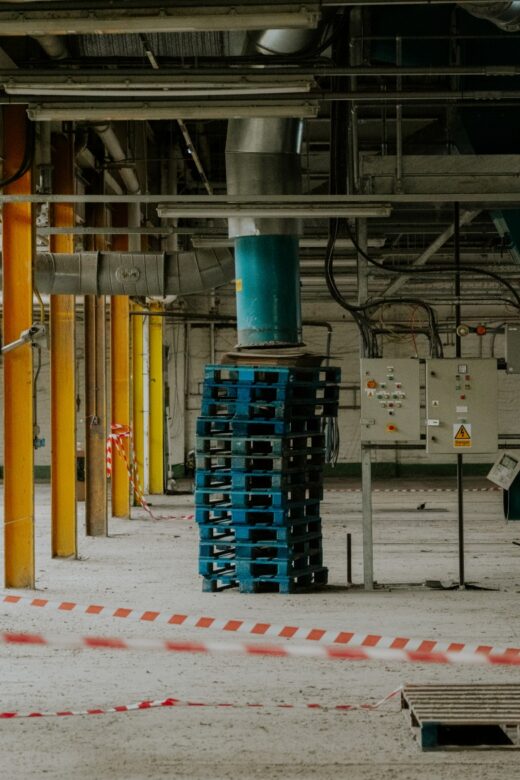
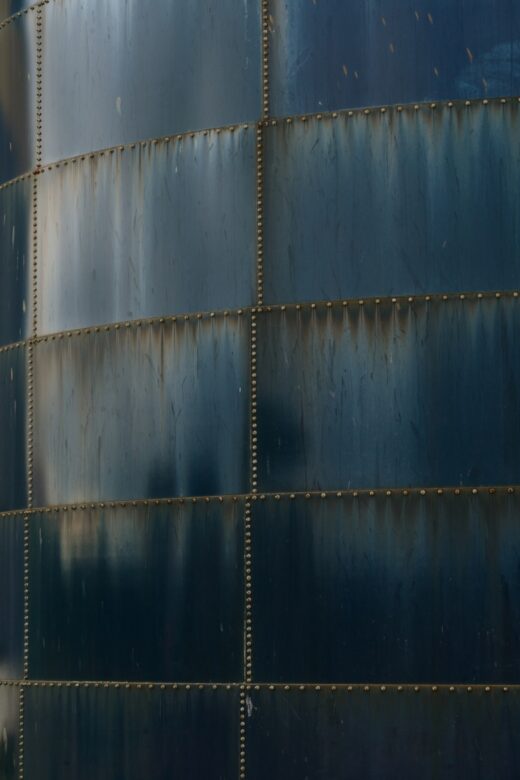
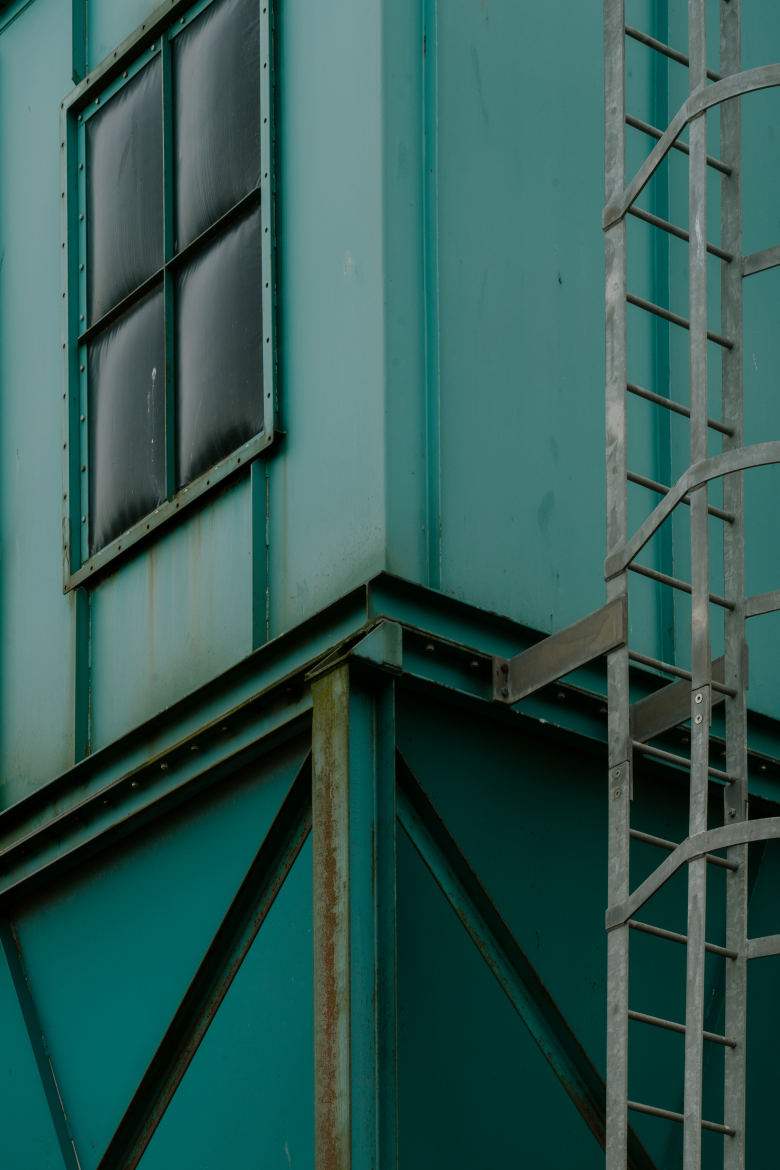
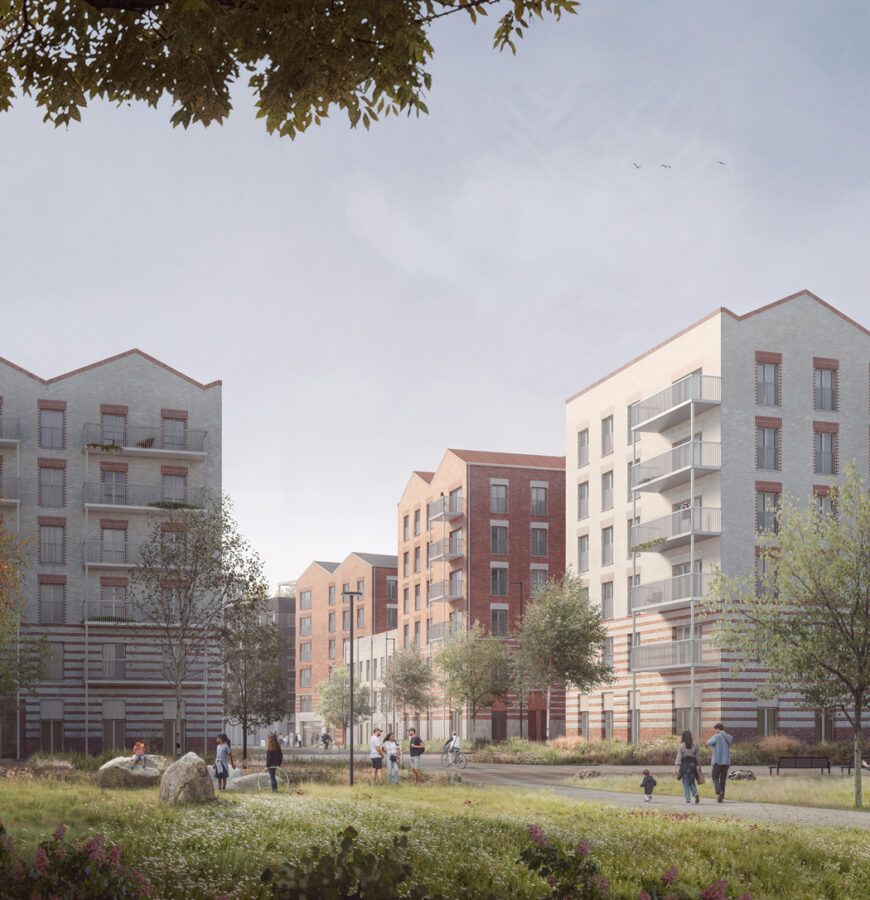
The materiality of these projects is often a direct nod to the site’s history, even when that history has been largely erased. On the Edinburgh Gateway project, the team drew inspiration from an industrial memory of the area—specifically the interiors of the existing sheds as beautifully documented by Liam Carlton.
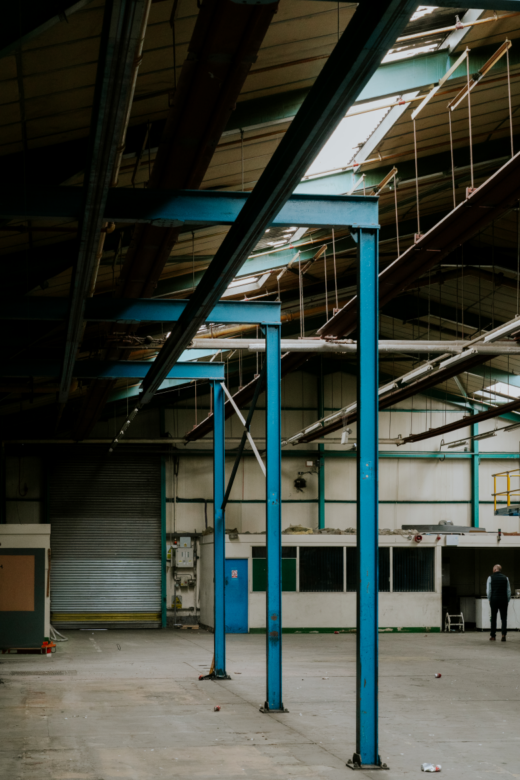
 

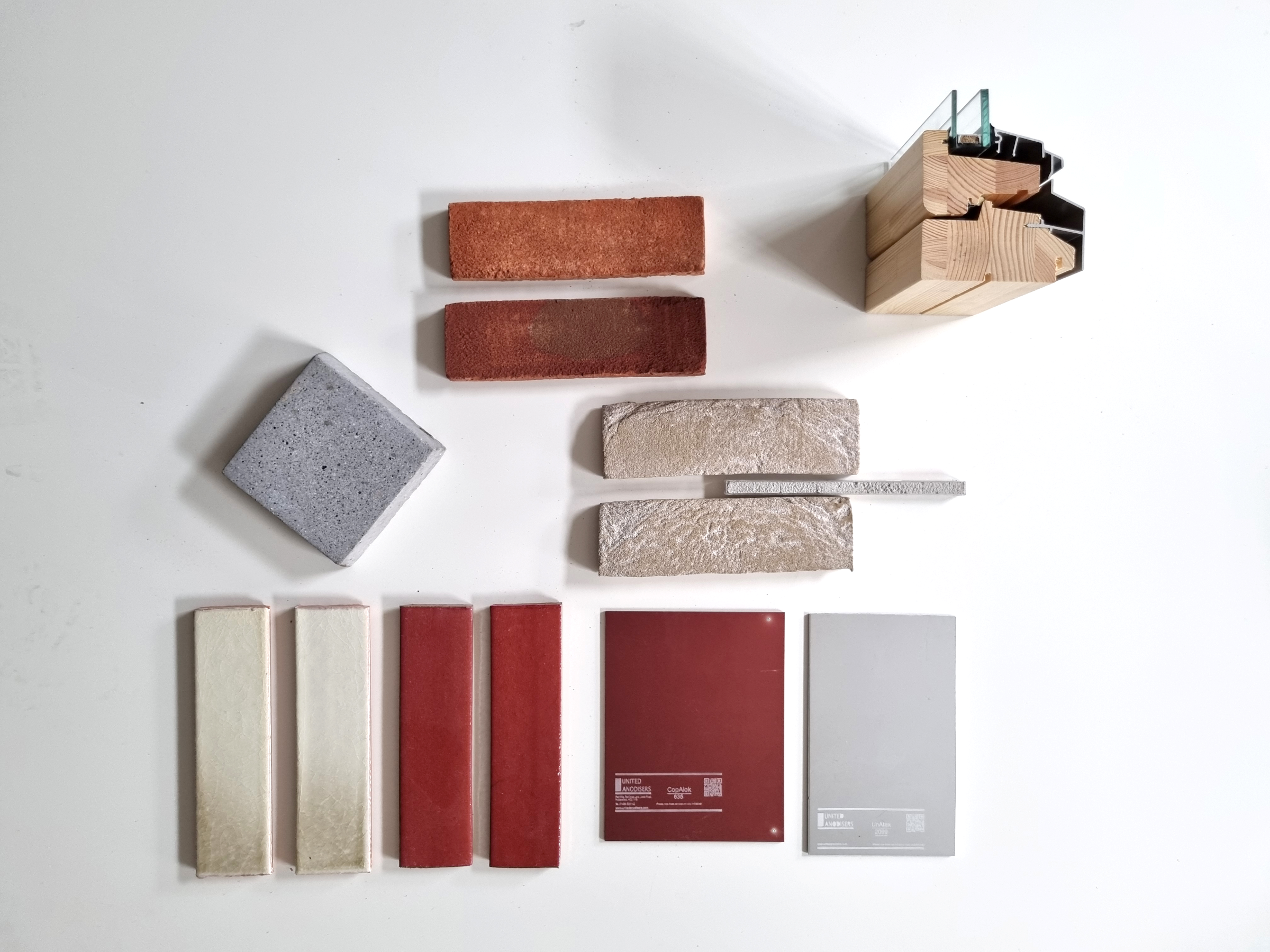
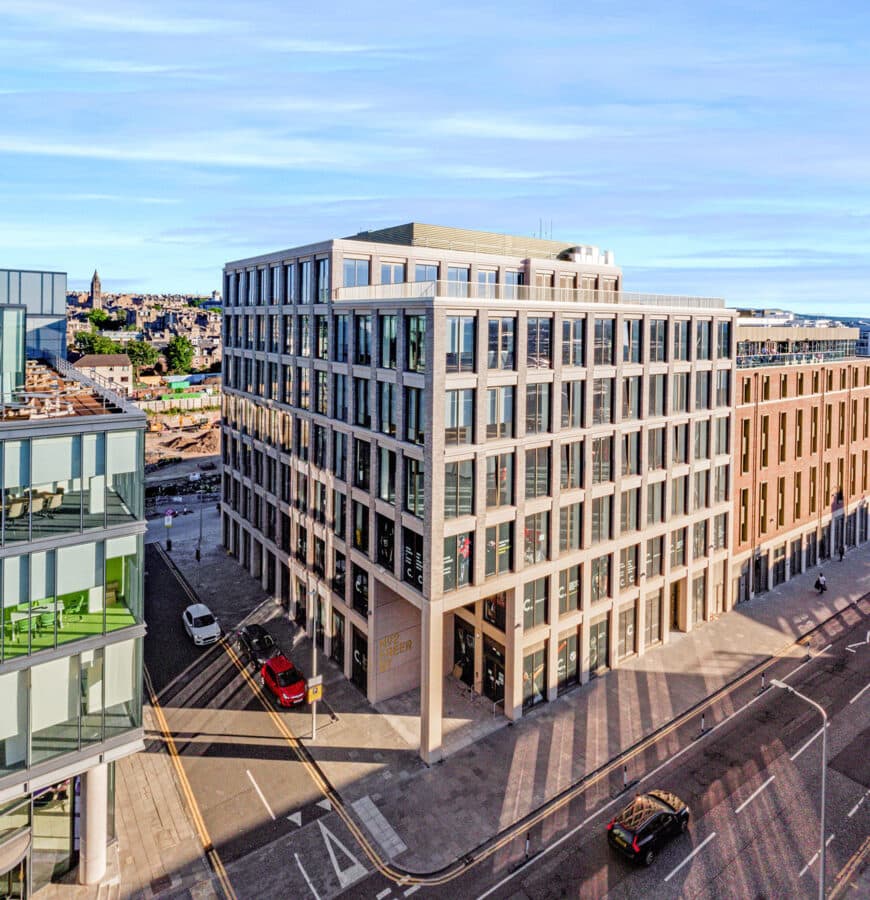
They translated these utilitarian forms into a modern language of brick and metal, creating an aesthetic that re-imagines the sites industrial past. “There is a beauty in the utilitarian,” Darren says, emphasising that using robust, high-quality materials is a key part of delivering long-term social value. It is an architecture of permanence and continuity with the mineral material quality of Edinburgh. 


Edinburgh Gateway materials and hotel
 

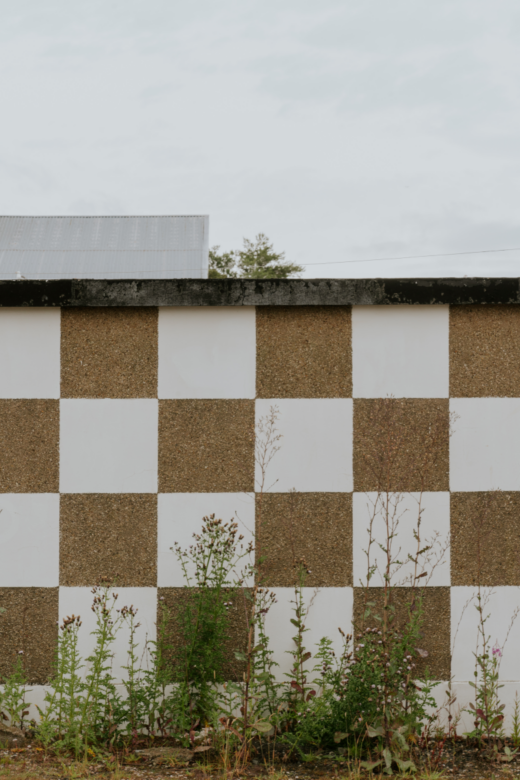
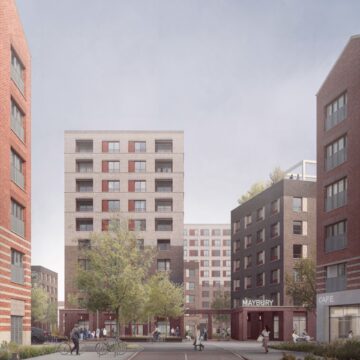
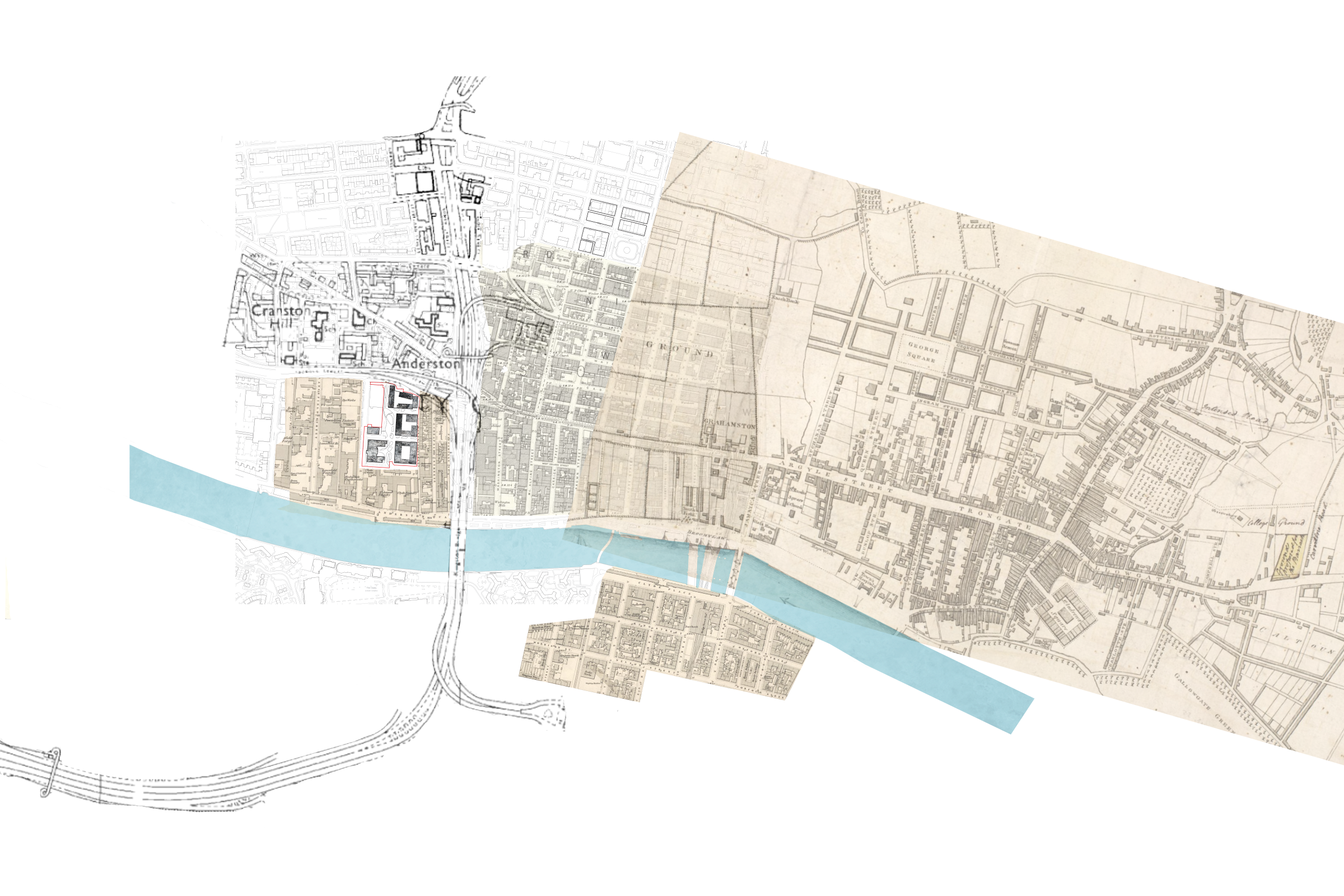
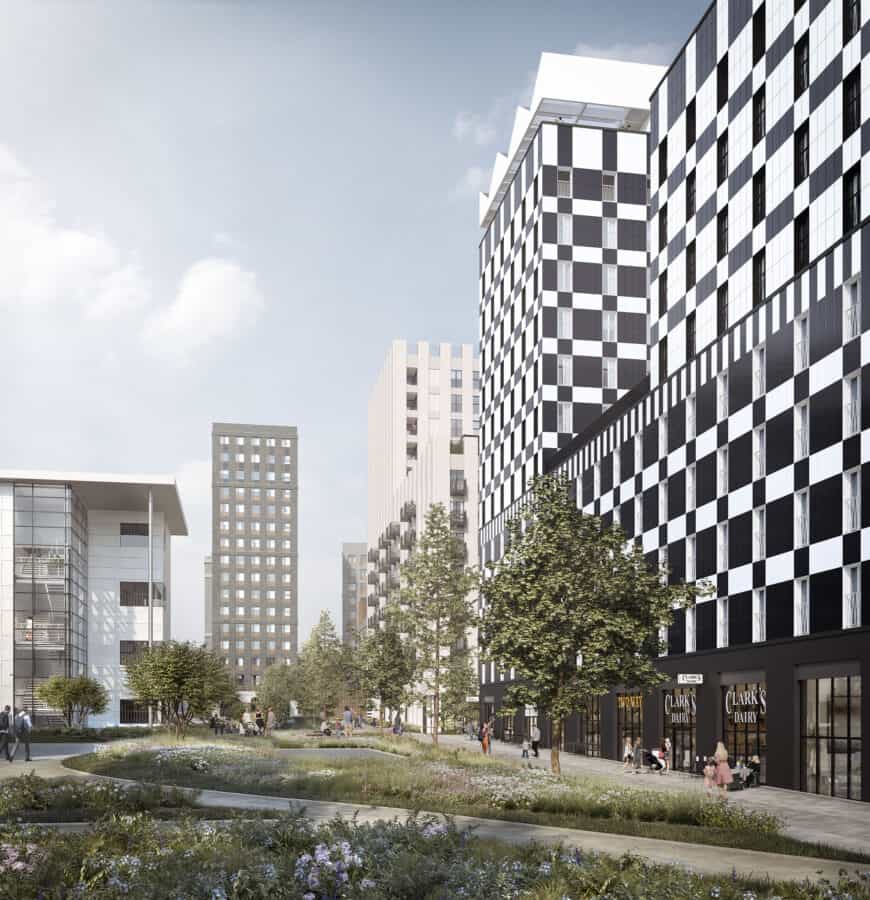
At Central Quay in Glasgow, the culture of making that was intrinsic to the settlement of this area of Glasgow in the 18th century has informed the placemaking approach. Textiles, weaving and stitching are themes explored in the arrangement of streets, spaces and facades. The distinct colours of the historic pottery from the area – China white and basalt black – have defined a new contextual material language. These distinct tones from Central Quay’s past will create a bold new identity for its future.


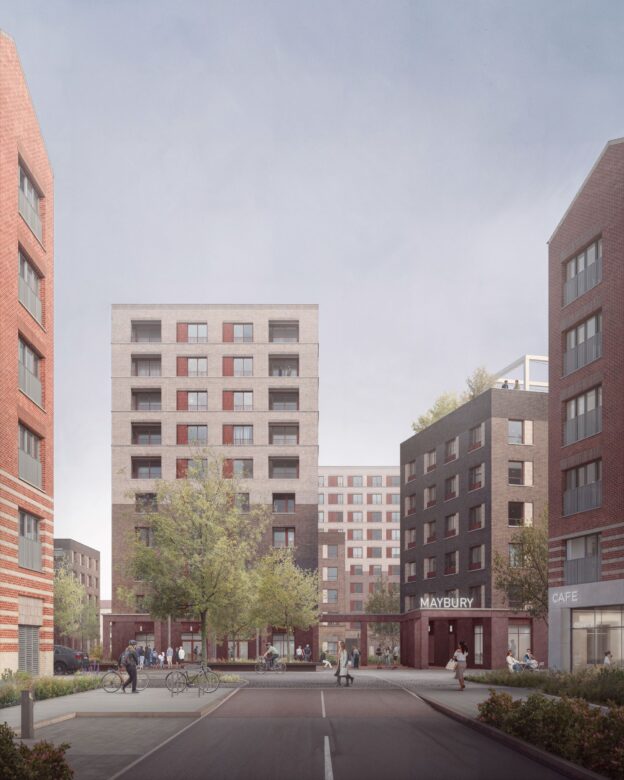
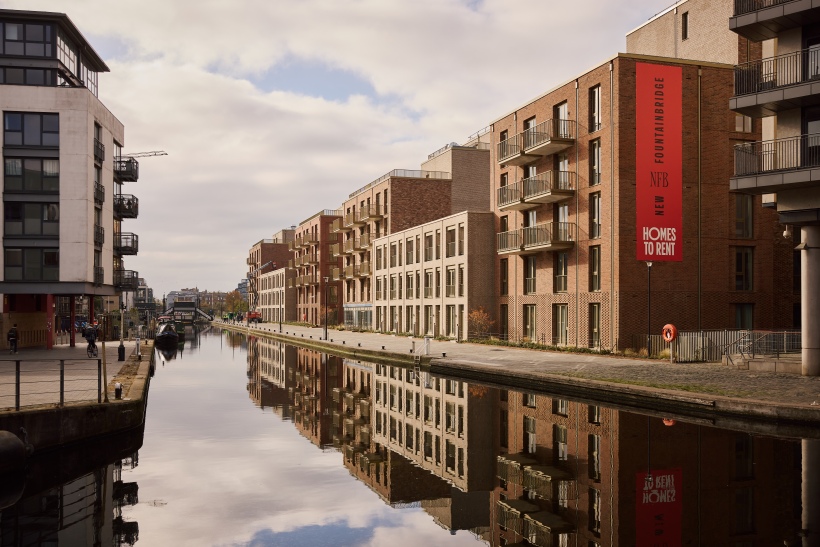
The approach to designing facades across their masterplans—whether in Central Quay in Glasgow or the Embankment in Cardiff—is to create a regular facade rhythm of openings and solids. The intention is to bring a sense of order and legibility to the streetscape, celebrating key features like entrances without resorting to visual clutter. By maintaining a consistent rhythm, the architecture provides a calm backdrop to the life of the street.  

This rigorous and researched approach allows 3DReid to design large new urban developments with a human scale. By drawing inspiration from traditional typologies—like the Edinburgh “Colony” housing or the Georgian perimeter block—we look to create a variety of scales that break down the monolithic nature of high-density schemes. The result is an environment that feels familiar and welcoming. As Euan concludes, the goal is to create a place that doesn’t just look good in a photograph, but one that feels “right” when you walk through it. It’s about building a piece of the city that can grow, age, and adapt—a place where the architecture steps back to foreground the life of the city.  

New Fountainbridge, Edinburgh, Facades along the canal


This article is number 3 of 3 in our Masterplanning series. Part 1, Laying the picnic blanket, explores the initial approach, continuity and expression and part 2 Bins & Bikes, delves into pragmatic concepts and social value.

 
3DReid - Scroll to top